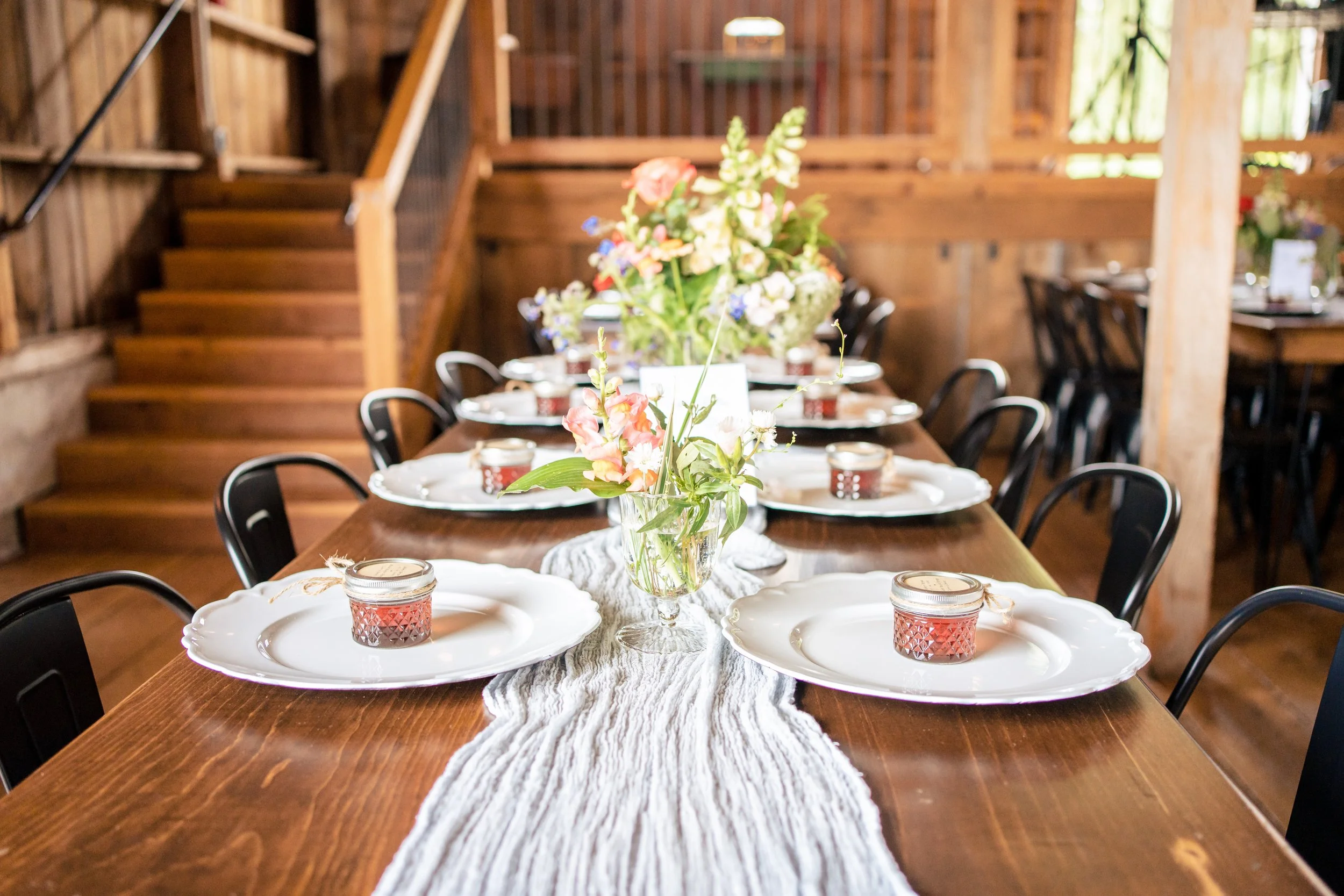
Thoughtful Seating: Planning a Comfortable Guest Experience
Planning your wedding seating can feel like one of those deceptively simple tasks—until you’re knee-deep in family dynamics, friend groups, and plus-ones you’ve never met. The good news? With a little strategy and a lot of intention, your seating plan can actually enhance the entire guest experience.
Here’s how to approach it without losing your mind—and maybe even enjoy the process.
Build a Solid Guest List First
It sounds obvious, but don’t start seating people until you’ve received all your RSVPs. Every last-minute addition or removal creates a domino effect that can unravel hours of work.
Once your RSVPs are in, organize your list by:
Family
Friends
Work colleagues
Shared interests or personalities
This makes grouping people much easier later on.
Think in Groups, Not Individuals
Instead of assigning seats one person at a time, start by creating “pods” of people who naturally fit together.
Ask yourself:
Who already knows each other?
Who would enjoy meeting?
Who shares similar personalities or interests?
Be Mindful of Family Dynamics
This is where things can get a little tricky.
If there are any sensitive relationships (divorces, estrangements, etc.), plan ahead to avoid awkwardness. You don’t have to overthink it—but you do want to be thoughtful.
A simple rule: if you wouldn’t seat them together at a dinner party, don’t do it at your wedding.
Don’t Forget About “Connector” Guests
Every wedding has those people who can talk to anyone and make others feel comfortable. Use them wisely.
Placing one or two of these “connectors” at tables where guests may not know each other can completely transform the vibe.
Consider Table Placement
Where someone sits in the room matters just as much as who they sit with.
Think about:
Proximity to the dance floor (great for fun-loving guests)
Distance from speakers or music (better for older guests)
Accessibility needs
Views of key moments (toasts, first dance, etc.)
Your VIPs—close family and wedding party—should have the best visibility.
Decide: Assigned Tables vs. Assigned Seats
There are two main approaches:
Assigned tables: Guests choose their own seat at a designated table (more relaxed)
Assigned seats: Each guest has a specific seat (more formal, but very organized)
Most weddings go with assigned tables—it’s easier and still provides structure.
Make It Easy to Read
Your seating chart should be clear, simple, and easy to navigate.
Some tips:
Alphabetize by last name
Use large, readable fonts
Avoid overcrowding the display
Alphabetizing by last name makes it faster and less frustrating for guests to find their names, since they can go straight to what they know instead of scanning every table. Listing by table forces guests to search multiple sections, which can create bottlenecks and confusion at the entrance.
Give Yourself Grace
This might be the most important tip.
No seating chart will be perfect. Someone might switch seats, tables might shift, and that’s okay. At the end of the day, your guests are there to celebrate you—not critique your seating strategy.
Open Seating Sounds Good… But…
At first glance, open seating feels easy and relaxed. Guests can sit wherever they want, mingle freely, and you don’t have to spend time making a chart.
In reality, it often creates:
Confusion and crowding as guests enter
People wandering around trying to find a place
Groups saving seats (or entire tables), which can feel cliquey
Couples or families getting split up
Not enough seats at some tables, and empty ones at others
Instead of feeling relaxed, it can quickly feel chaotic and uncomfortable—especially for guests who don’t know many people.
Final Thought
A thoughtful seating plan is one of those behind-the-scenes details that guests don’t always notice—but they feel the difference. When people are comfortable, conversations flow, laughter comes easier, and your reception becomes the joyful, connected celebration you imagined.
And really, that’s the whole point.